When a two-person firm starts looking for an office, the first question is almost always the monthly rent. It is a fair question, and we answer it on every call. It is also the least complete number in the decision.
An office is a bundle of costs. Some of them show up on a lease. Some show up on a utility bill, a parking receipt or a credit card statement for the coffee shop where you met a client because there was nowhere else to go. The rest never show up anywhere, because they are measured in hours.
The costs on the lease
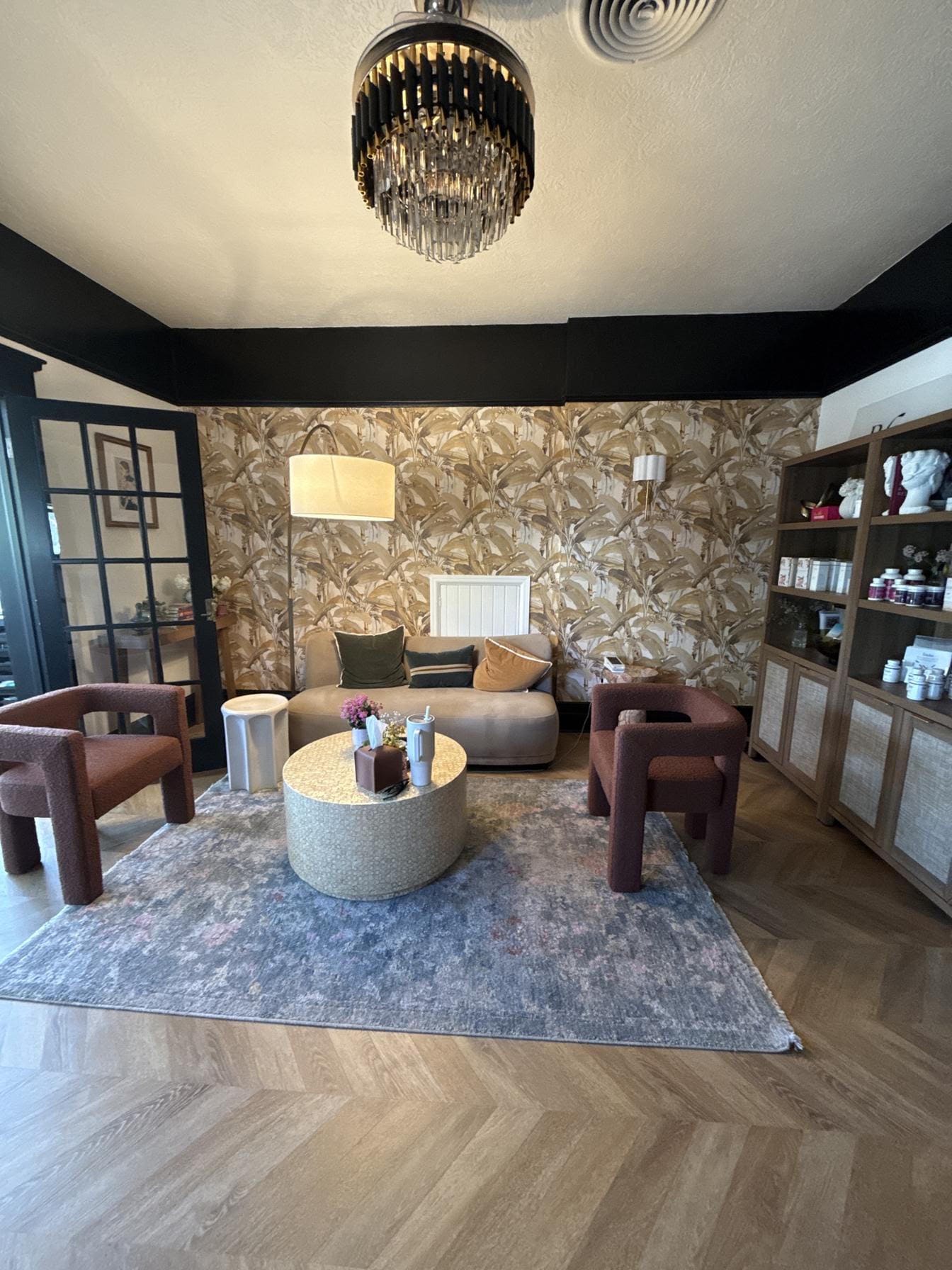
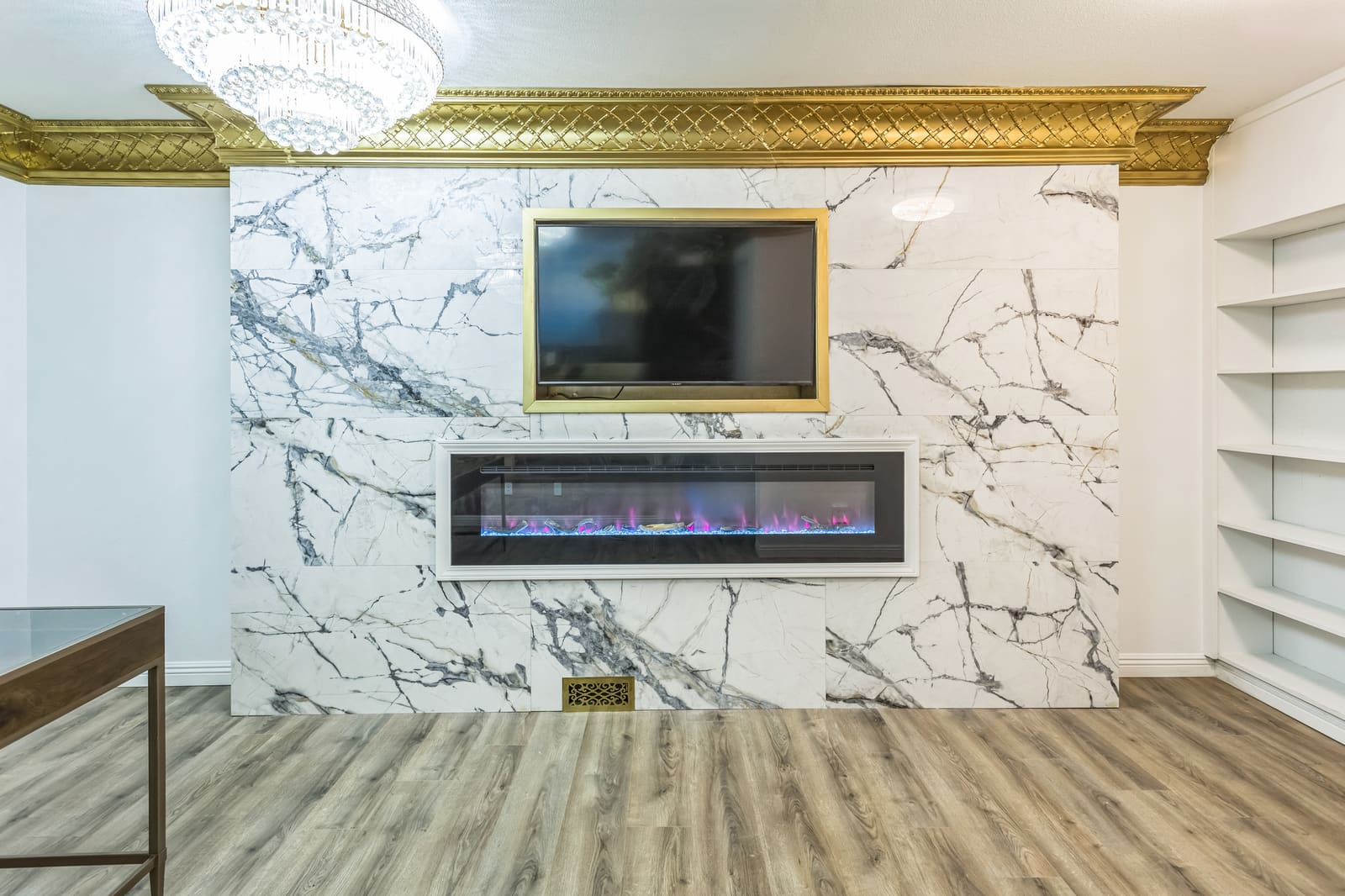
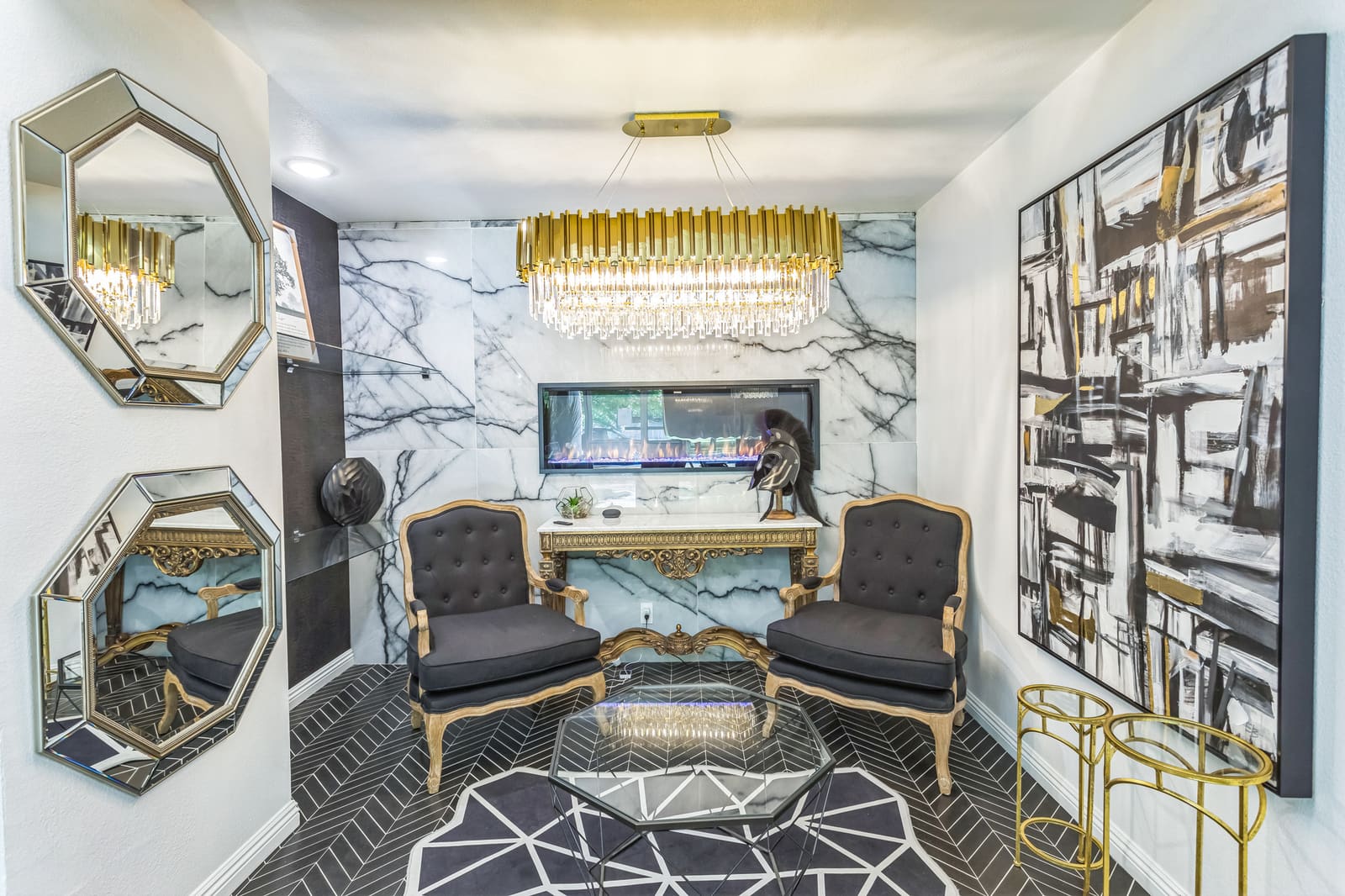
Start with what the rent includes. In our buildings, a suite comes with utilities, internet, cleaning of the shared spaces, a furnished lounge, a kitchen and access to a meeting room. Many leases in Boise do not include all of that. A lower rent that leaves you paying for power, heat, internet and janitorial service separately can end up costing more each month, and it adds four more bills to manage.
Ask for the list in writing. The useful comparison is not rent against rent. It is everything you will pay, every month, to open the door and start work.
The costs around the lease
Parking is the one people forget. Downtown, a monthly spot can run close to what some firms expect to pay for a small office. If you and a colleague each need one, and clients need somewhere to stop for an hour, that is a real line in the budget.
Meeting space is the second. A firm without a room of its own rents one, borrows one, or meets clients in public. Each has a price, and the last one has a price in how the client sees you.
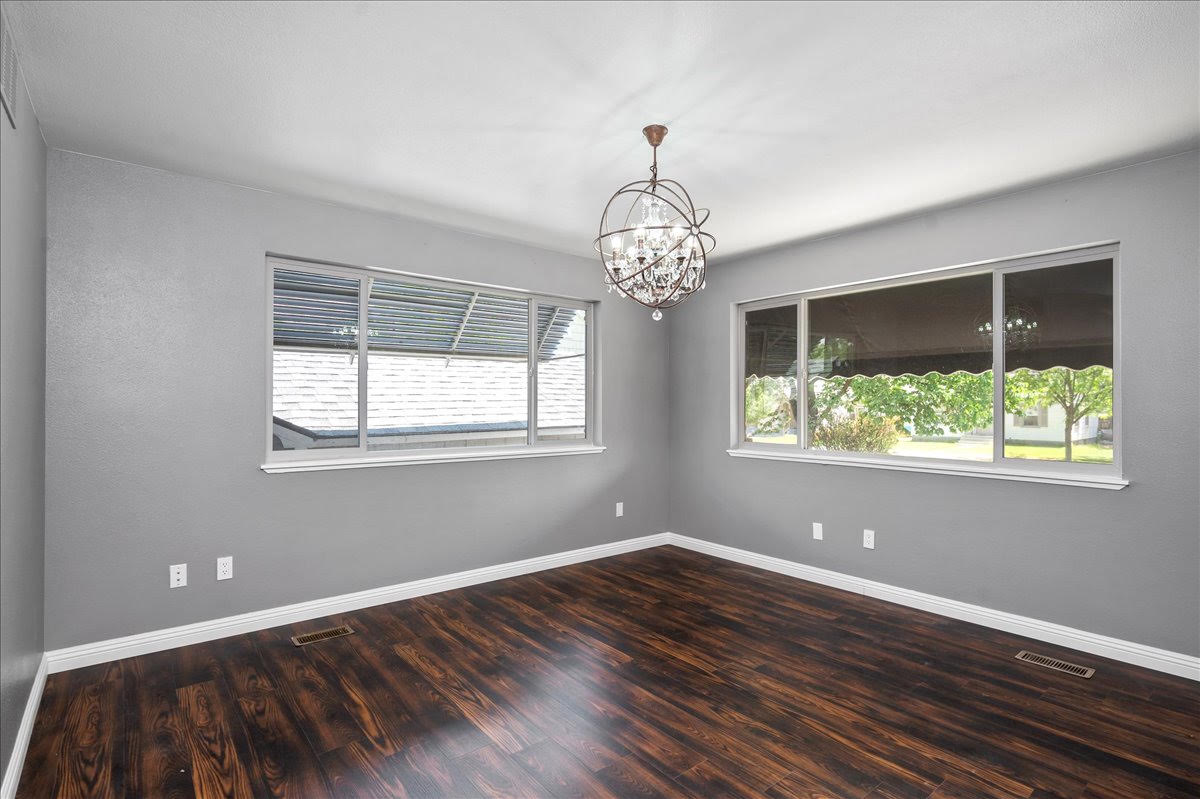
Furniture is the third. An empty suite needs desks, chairs, shelving and lighting before it is useful. A furnished shared lounge and kitchen mean that money stays in the business.
The costs that are measured in hours
A shared desk or a spare bedroom is cheap until you count the interruptions. Time spent finding a quiet place for a call, packing up at the end of each day, or rebuilding focus after the table next to you starts a meeting is time not billed.
A door that closes does not show up on a spreadsheet. It shows up in the work. The firms we lease to tend to tell us the same thing a few months in: they get more done, and clients take them more seriously.
How to compare
Put every option on one page. For each, list the monthly rent, what it includes, what it leaves out, parking, meeting space, furniture and the hours you expect to lose. Then look at the total.
We do not publish our rates, because every suite is a different shape and size. Call us and we will give you the figure for the suites that fit, along with everything it covers, so you can put it on that page next to the others.