Most professionals can remember a meeting where a client started to say something important, then stopped. They glanced at the door, or at the wall, and changed the subject. The meeting went on, but the useful part of it was over.
For lawyers, therapists, financial advisors and accountants, what a client tells you is the raw material of the work. If the room does not feel private, the client holds back, and you end up working from half the facts. For these firms, a private room is not a comfort. It is part of how the job gets done.
What clients check before they speak
Clients in a sensitive situation size up a room quickly, and mostly without thinking about it. Can someone walk in? Can someone hear? Is anyone waiting on the other side of the glass? They will not tell you they are holding back. They simply say less.
You never find out what you did not hear. The account that went unmentioned, the debt a spouse does not know about, the detail that changes a case. The work looks complete, but it rests on an incomplete record.
Where common options fall short
A shared desk with a bookable meeting room works until the meeting runs long and someone is waiting in the hallway. Your client notices, and the conversation gets shorter.
A home office is private in one sense, but it rarely feels professional to a client, and family life does not always stay on the other side of the door.
A coffee shop is the easiest meeting place to book and the hardest place to say anything real. Nobody discloses a custody dispute or a balance sheet next to the espresso machine.
What to look for instead
If privacy is part of your work, a few things matter more than the view or the lobby.
First, controlled entry. A building where access is limited tells a client, before they sit down, that this is a contained place. Ask who can get in, and when.
Second, a suite you control. That means your own room with a door that locks, not a room you share or reserve by the hour. On a tour, close the door, have someone talk in the next room, and listen for yourself.
Third, a meeting room that is set up before you arrive. If you meet clients in a conference room, it should be ready to use, with the screen and video call equipment working, so the first ten minutes are not spent on cables.
Fourth, people who know the building. When a client cannot find your suite, or something needs fixing, you want someone on site to call, not a support ticket.
How our buildings handle it
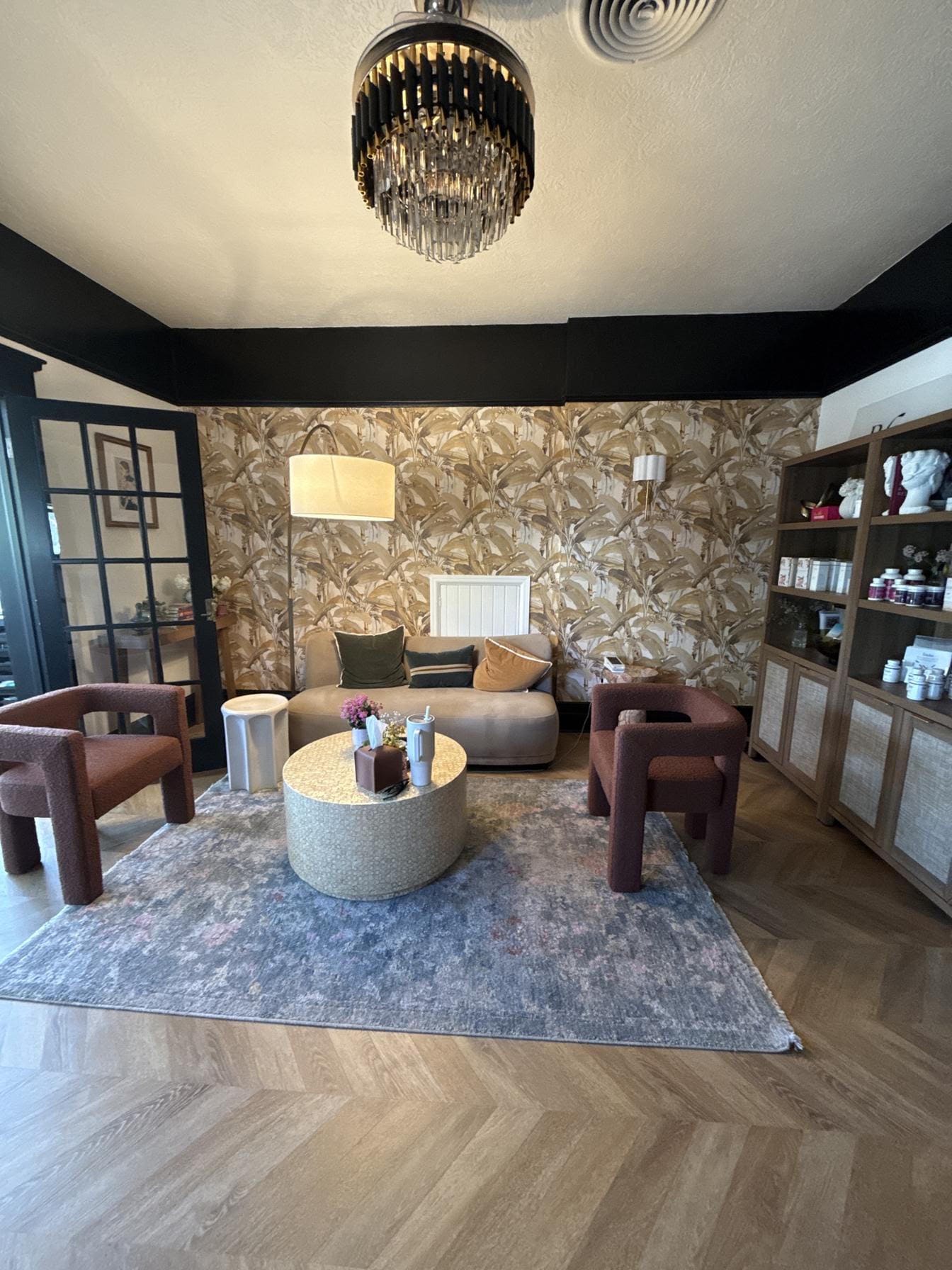
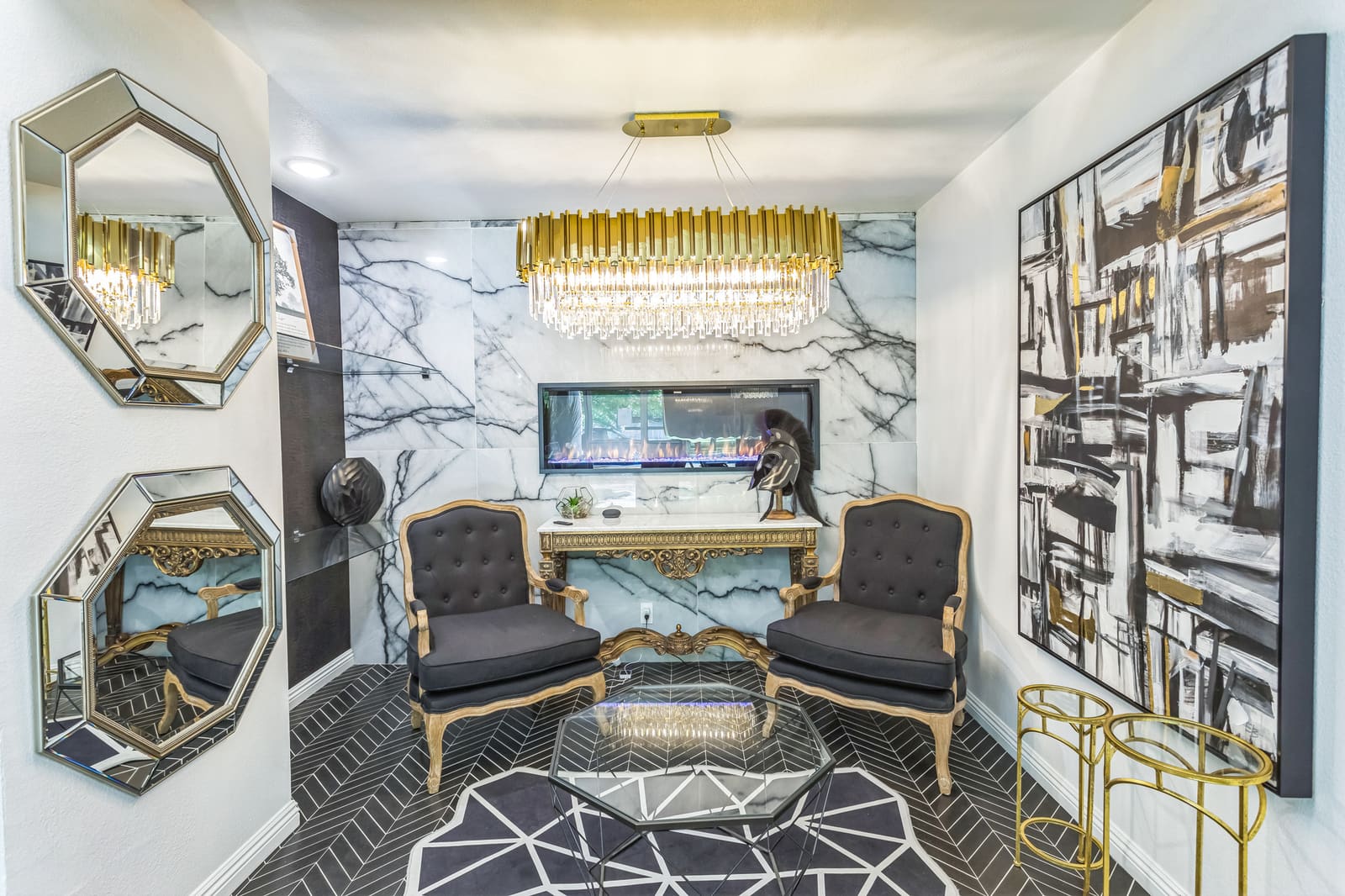
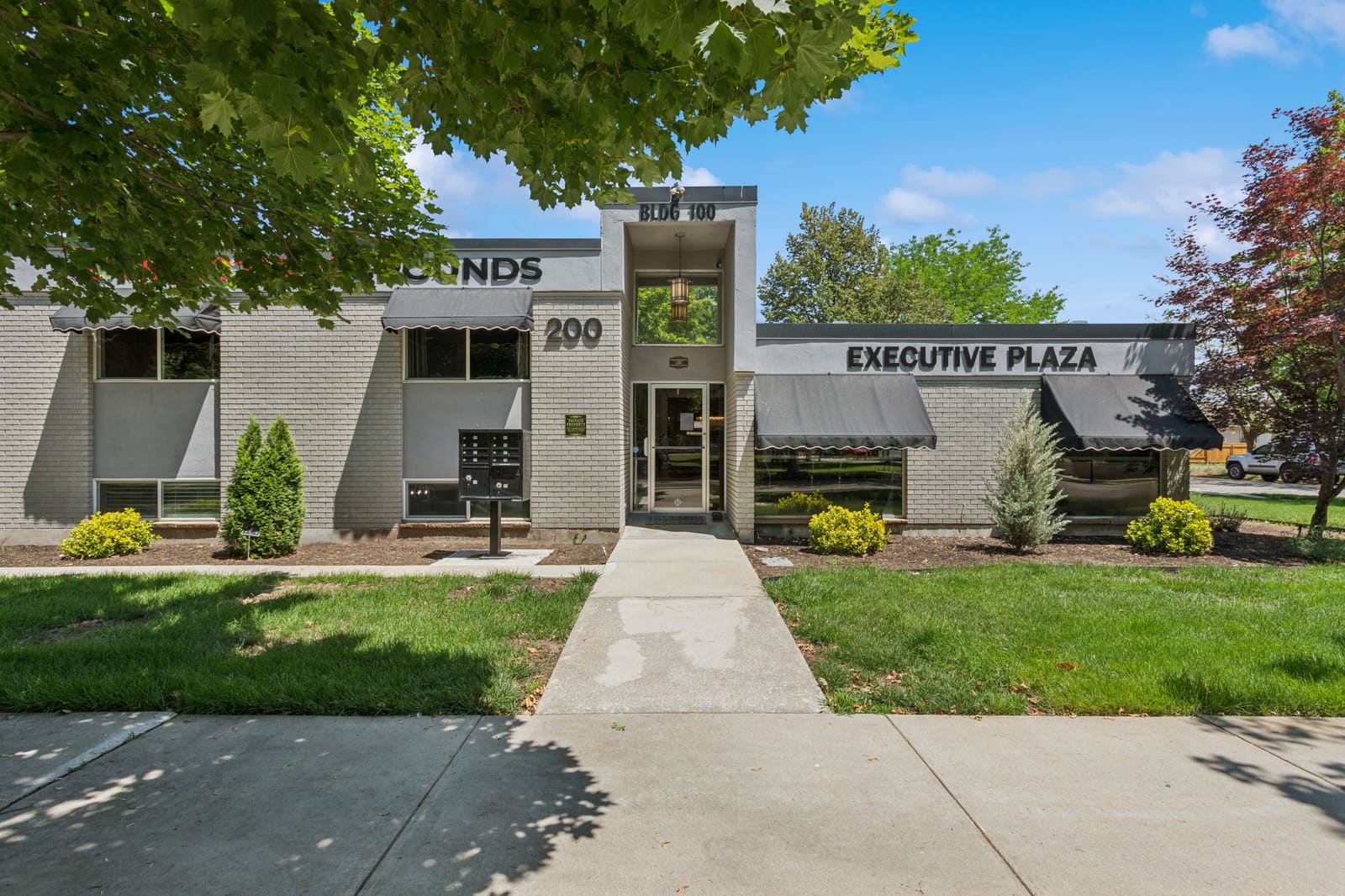
We lease private office suites at two Boise locations. Executive Plaza is at 200 N 23rd St in the West End. Harrell House is at 100 W Main St, downtown at 1st and Main, in a restored house built in 1884.
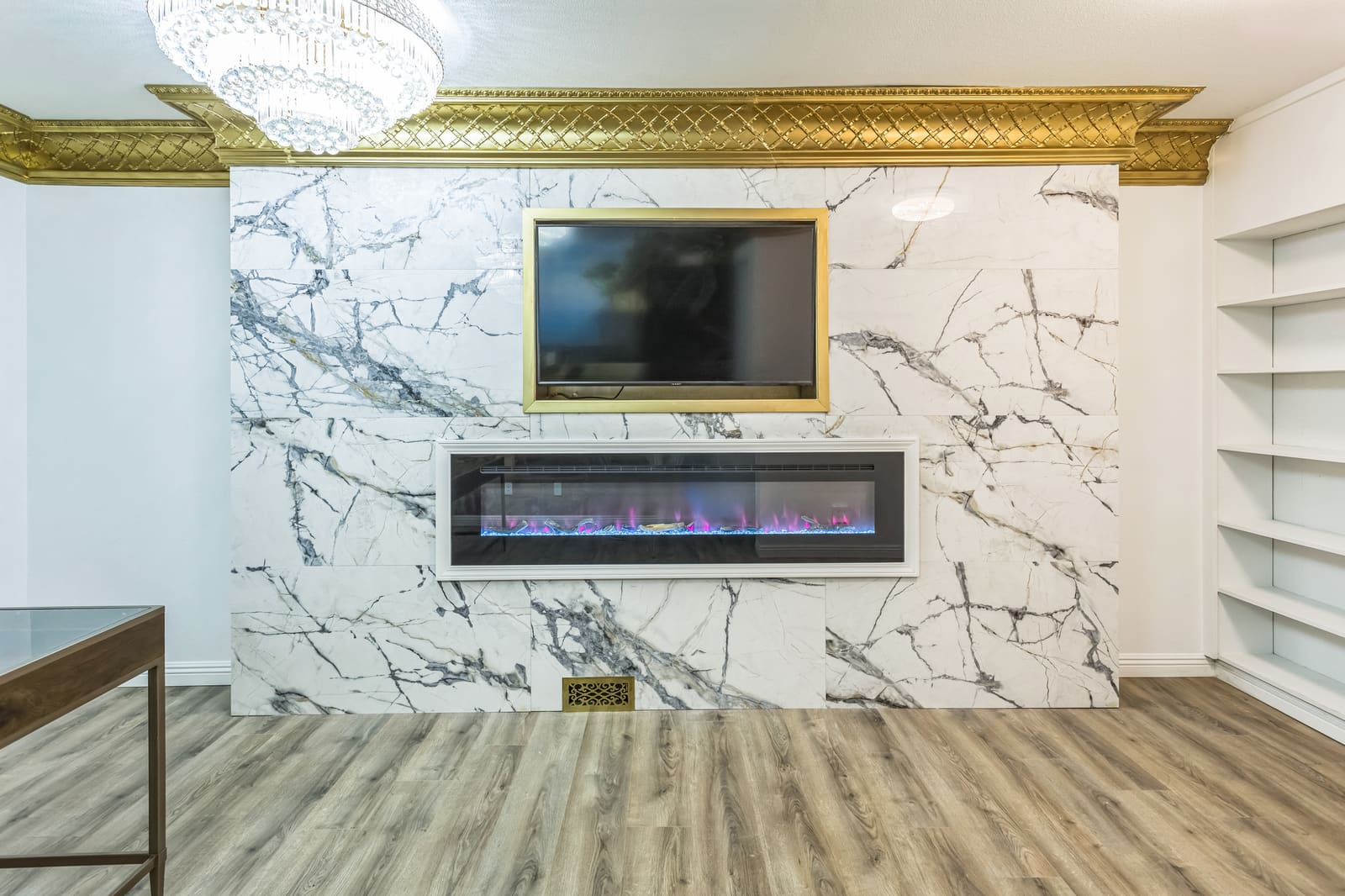
Every suite is private and lockable. Both buildings have secure keyless keypad entry, available around the clock, and security cameras. Both are ADA compliant, which matters if some of your clients have mobility needs. Executive Plaza has two tech-ready conference rooms, and our meeting space comes set up with a screen, camera, HDMI and video calls ready to go.
An on-site team handles day to day needs, and we, the owners, are behind them. We have run these buildings since 2021 and we live in Boise. When you need something, you talk to people who can decide.
A question worth asking
Before your next client meeting, think about the last few you held. Did anyone stop short? Did a conversation move to the parking lot or a phone call later? If so, the room may be part of the reason.
If you would like to see whether one of our suites fits the way you work, book a tour or call us at (208) 949-9915.