Flexible is the word most office listings lead with. Month to month, no long commitment, move up or down as the business changes. It sounds like protection for the tenant.
Sometimes it is. Often the flexibility sits with the landlord instead. The terms that can change are the ones that change your bill, and you find that out after you have moved in.
Where the flexibility usually sits
A flexible agreement tells you what can change. It does not always tell you what you will pay. The base rent is the number on the first page. The rest of the bill can sit in the fine print: a technology fee for internet you were told was included, a charge each time you book the meeting room, a clause that lets the rate move on short notice.
None of this is hidden, exactly. It is in the agreement. It is just not in the conversation you had before you signed it.
Flexible is not the same as clear
It helps to separate two ideas. A flexible lease lets the terms change. A clear lease tells you, before you commit, what the terms are and what you will pay each month.
You can have both. You can also have one without the other. The first is a feature of the contract. The second depends on who runs the building and how they bill.
The better first question
Most people start by asking how long the lease is. The more useful question is who manages the building, and what happens when you have a problem.
Lease length is on the page. Management decides whether the page matches your first invoice. A longer term with an owner who answers the phone can be easier to live with than a month to month agreement where every question becomes a ticket.
It matters on an ordinary workday, too. If you are meeting a client about something sensitive, you should not be thinking about a billing dispute or waiting on a callback. The building should be something you do not have to think about.
Questions to ask before you sign
Ask for a sample invoice for a comparable suite. A landlord who is confident in the billing will show you one. If the answer is that it varies with usage, ask what varies and why.
Ask what the rent includes and what costs extra, and get the answer in writing. The gap between what is said on a tour and what is written in the agreement is where most surprises start.
Ask who you call when something goes wrong. You want a name and a phone number, not a portal.
Ask whether the building and the suite are accessible. If any of your clients have limited mobility, this is not a small detail. Get a direct answer.
Ask what happens if you need more room. A good answer explains how moving to a larger suite works. It is not a pitch for a suite you have not asked about.
Ask how renewals are handled and who decides. The answer tells you whether the terms can be discussed or only accepted.
How we handle it
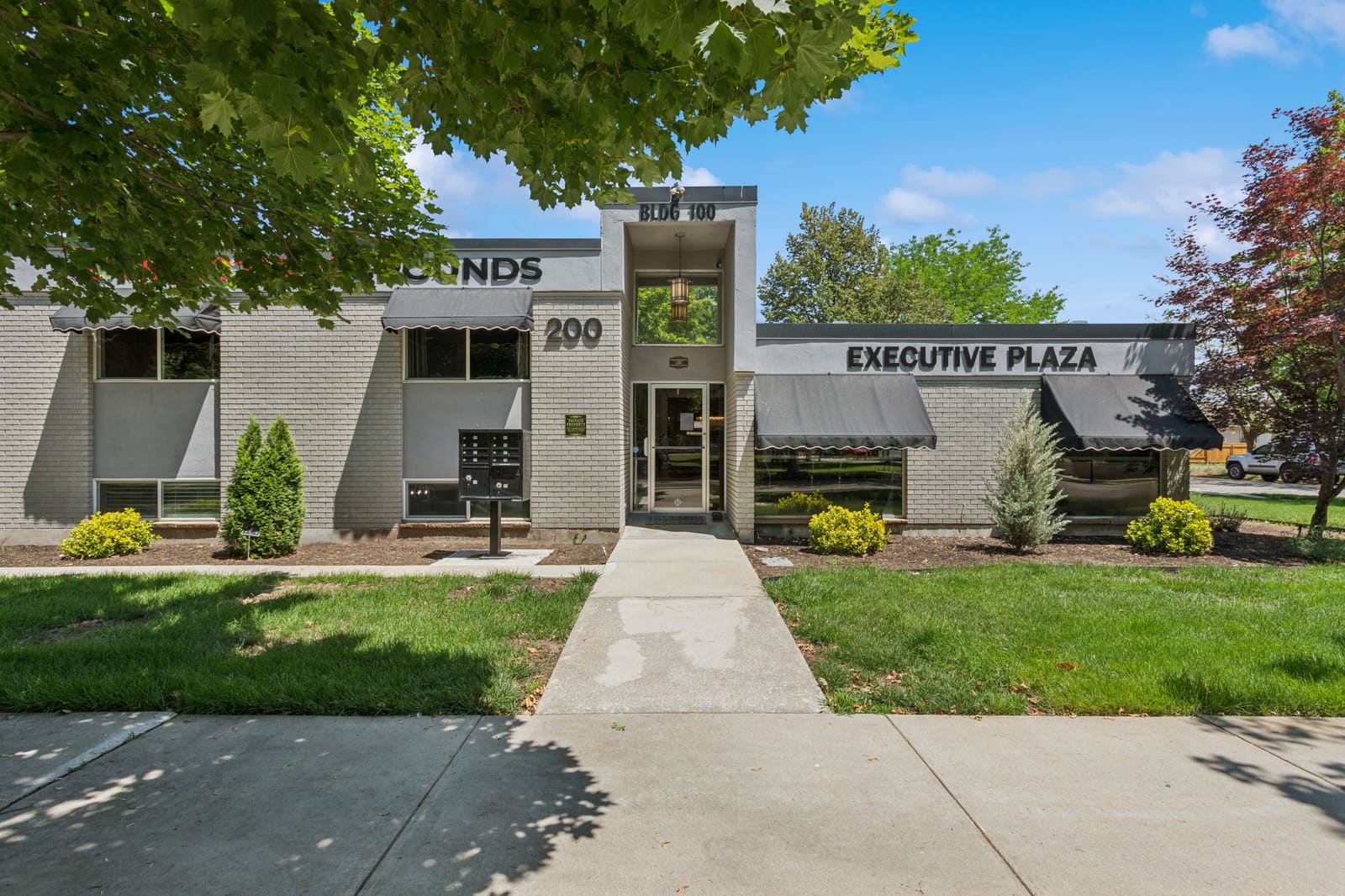
We own and operate both of our buildings: Executive Plaza at 200 N 23rd St in the West End, and Harrell House at 100 W Main St, downtown at 1st and Main. We live in Boise and make the decisions ourselves, and an on-site team handles day to day needs.
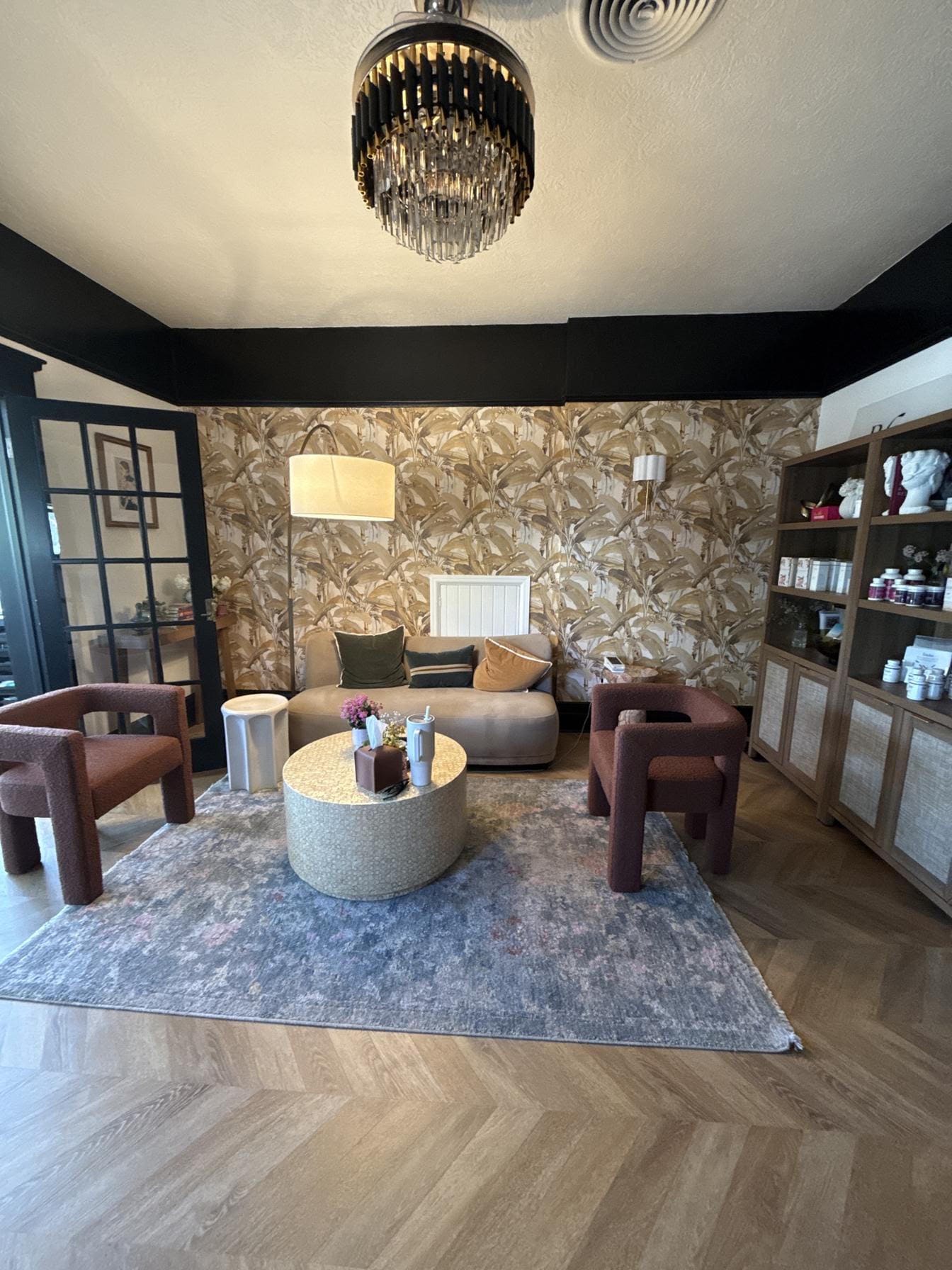
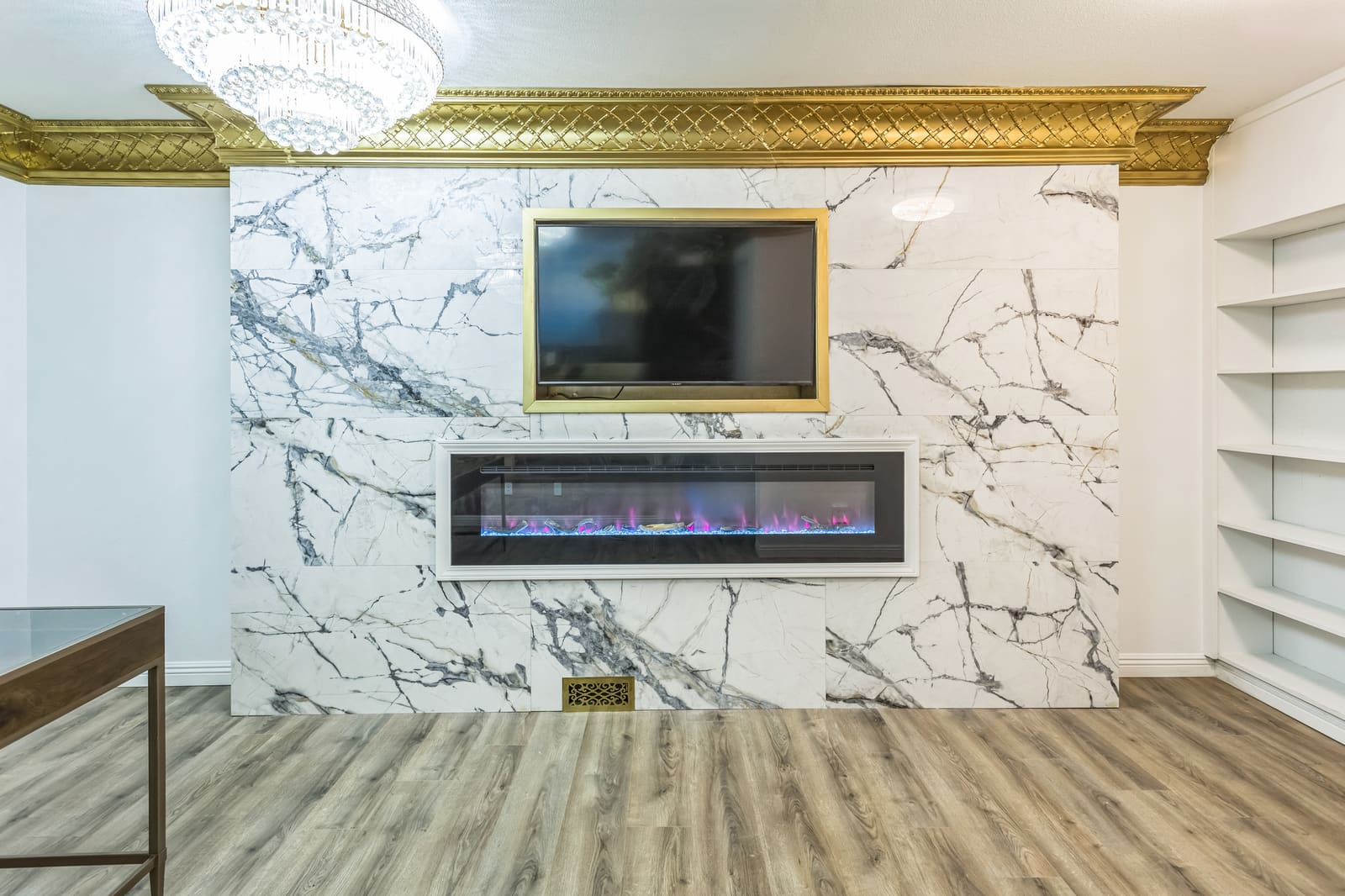
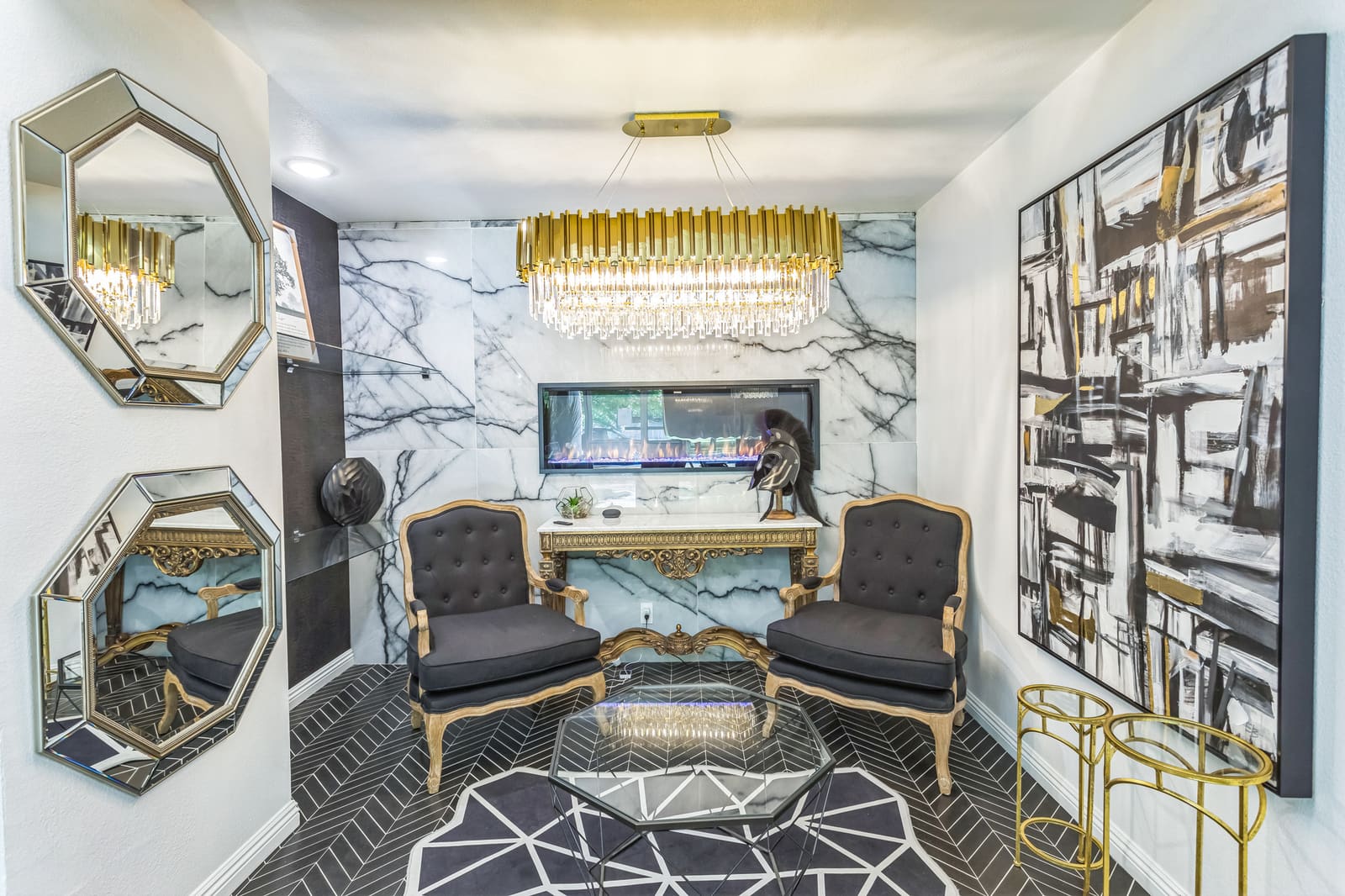
The rent covers the private suite, internet, all utilities, parking, the tech-ready meeting rooms, the kitchenettes and lounges, and cleaning of the shared spaces. Internet and meeting space are part of the rent, not separate line items. Both buildings are ADA compliant, with keyless keypad entry 24/7 and security cameras.
We do not publish a rate card, because each suite is different. When you call, we give you the figure for the suites that fit and tell you what it covers, so you can compare it line for line with anything else you are considering. Renewals are a conversation, not a notice.
If you would like to ask these questions in person, call (208) 949-9915 or book a tour.