Harrell House was built in 1884, when Boise was still a young city. Eight years later, in 1892, the Boise Water Works company began piping hot water from wells east of town into nearby homes. It was one of the first geothermal heating systems in the United States, and the city has used that water to heat buildings ever since.
We think about that history often. The house has been heated, rewired and replumbed more than once in its life. Each time, someone had to decide what to keep and what to replace.
What we kept
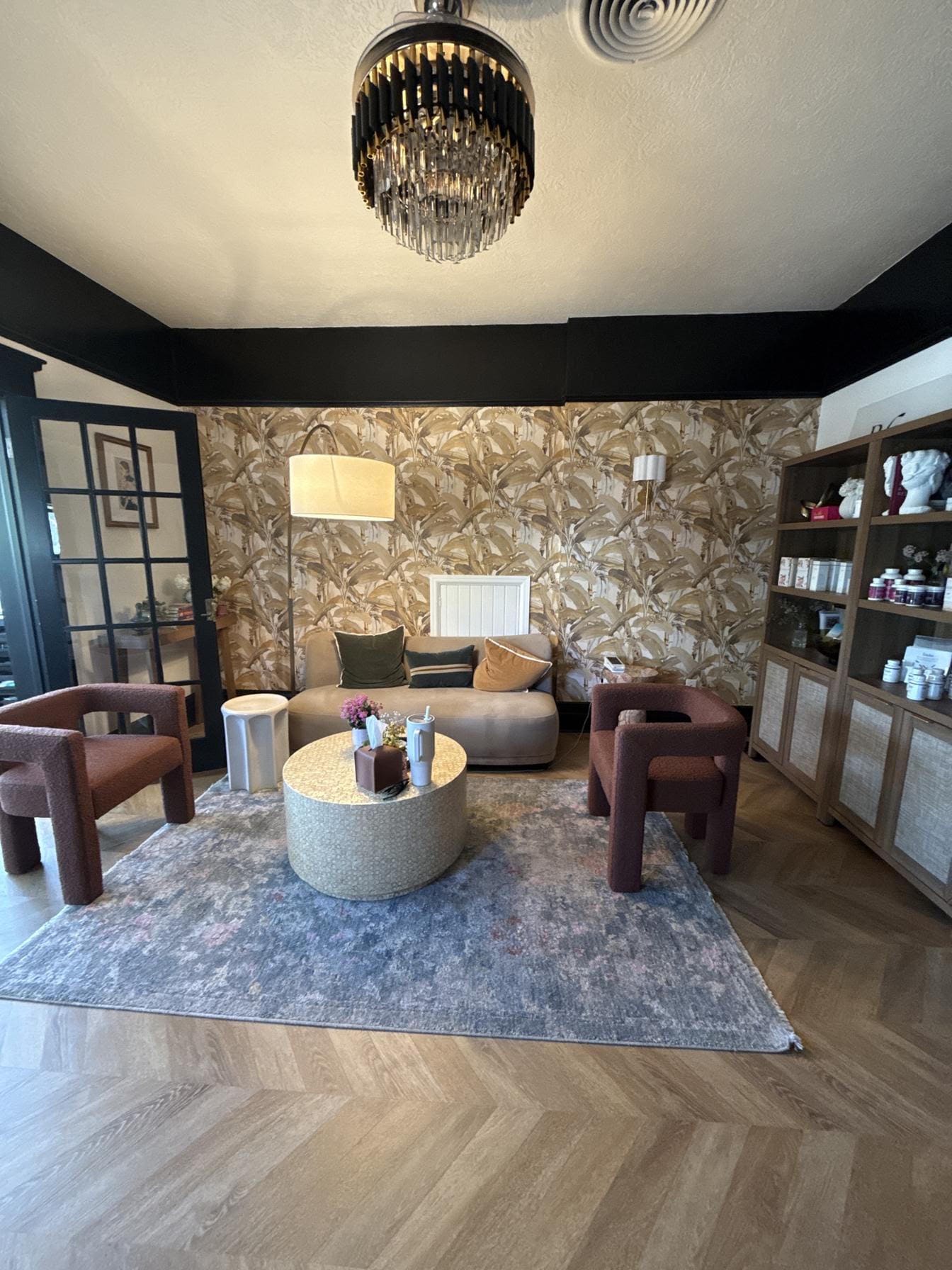
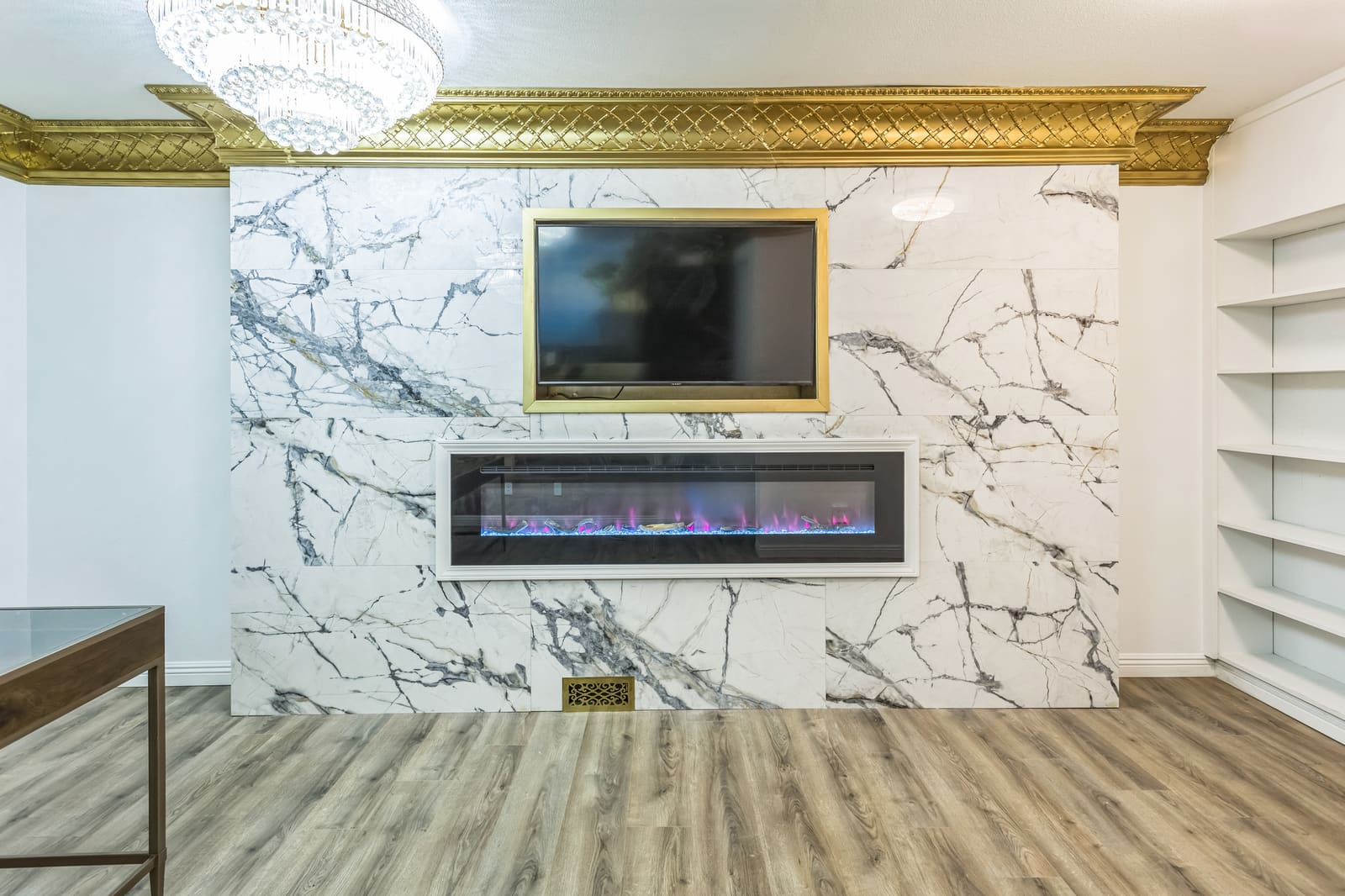
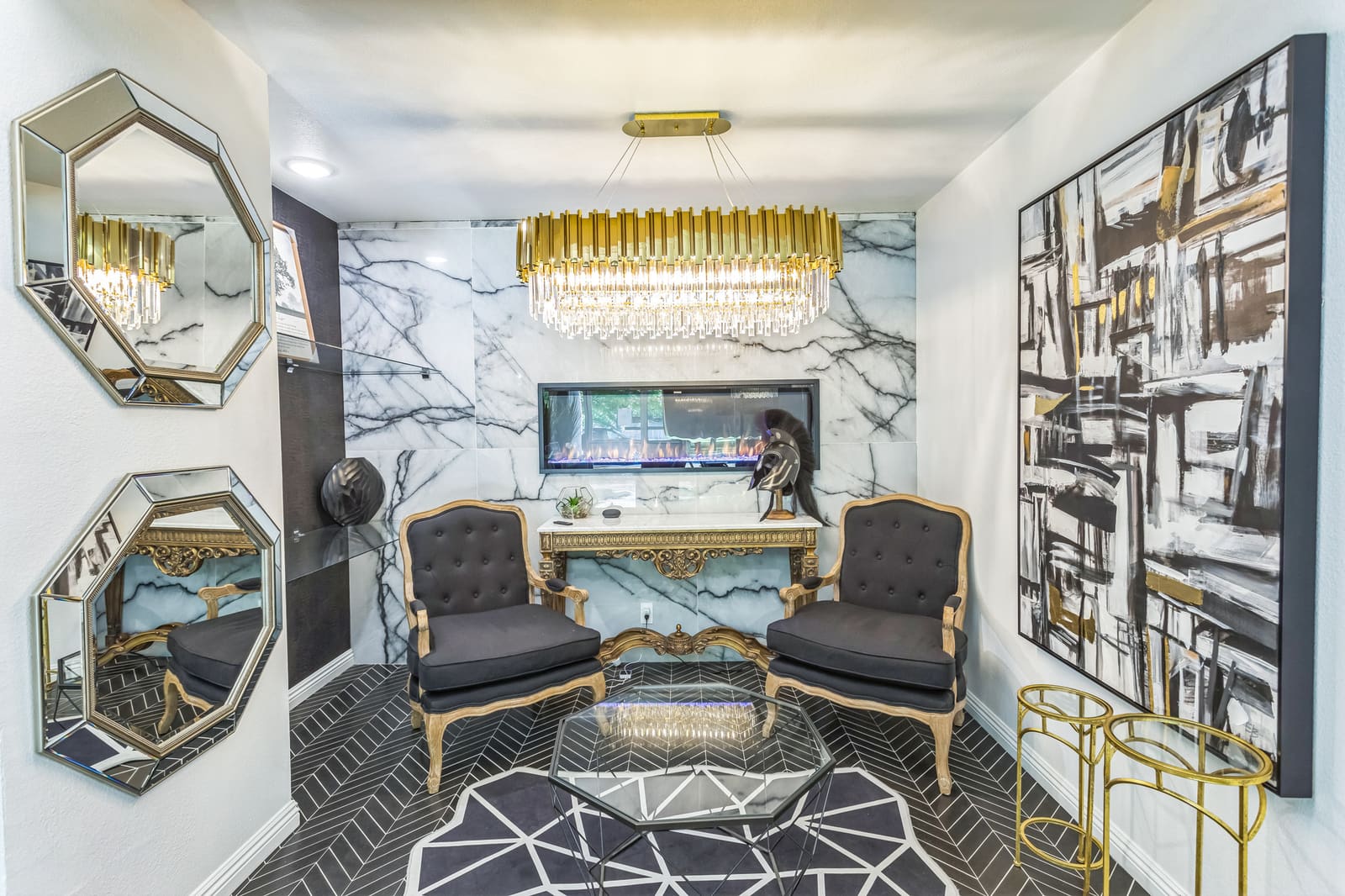
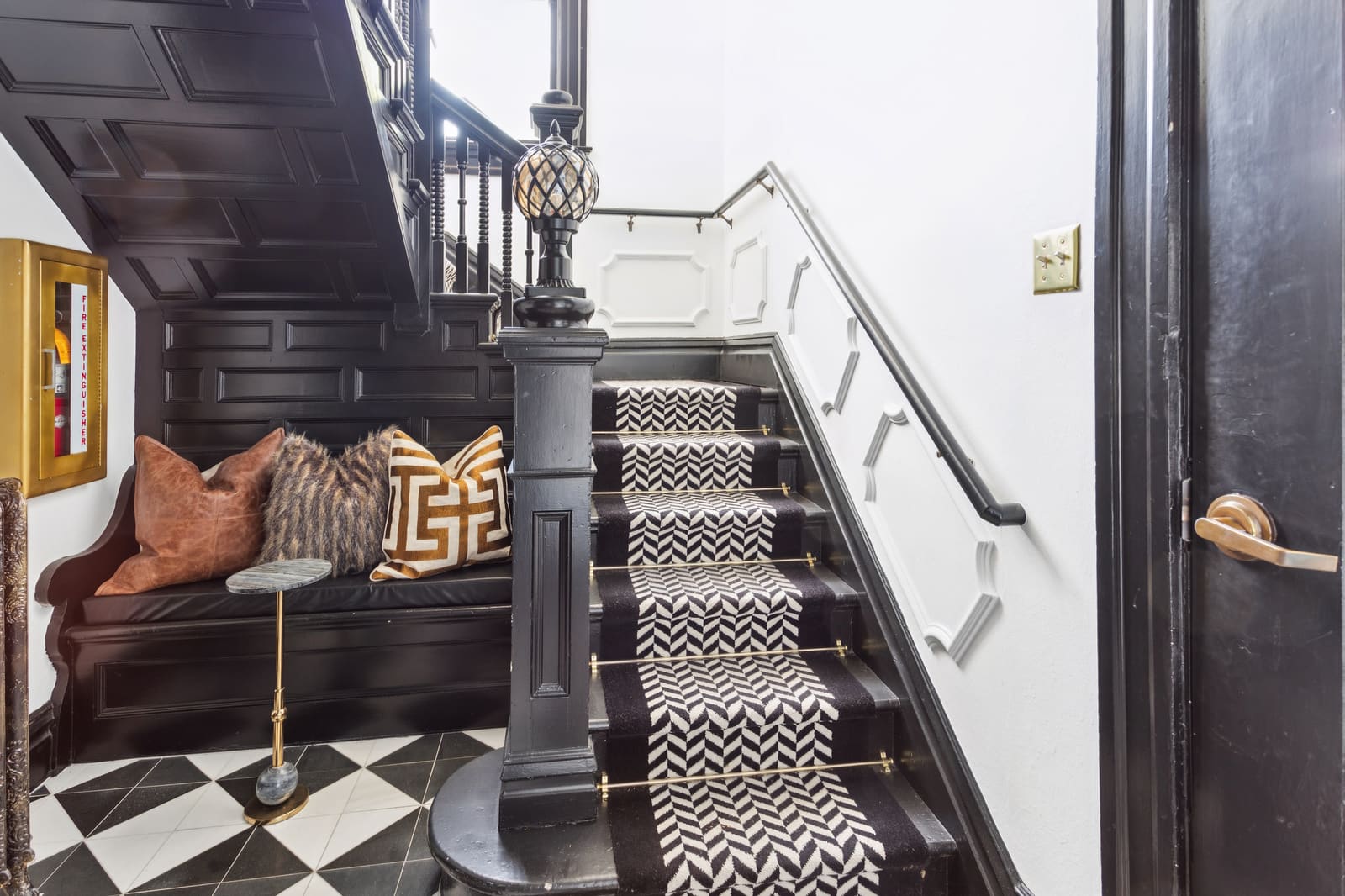
The parts that give the house its character stayed: the front porch, the foyer stair, the fireplaces, the tall windows and the proportions of the rooms. Those are the reasons tenants choose the building, and they cannot be rebuilt once they are gone.
What we replaced
The parts that tenants depend on every day were brought up to date. Offices need reliable power at every desk, fast internet in every room, steady heat and cooling, and restrooms that work without a second thought. In a house this old, that work happens inside walls, under floors and in the basement, where no one sees it.
We also added the things a modern office building is expected to have: security cameras at the entrances, fire safety equipment and accessible access.
Planning for what you cannot see
An old building rewards attention. We walk the house regularly, keep records of every repair and fix small problems before they become large ones. When something needs replacing, we choose parts that will last, even when a cheaper option would do for a few years.
Tenants rarely notice this work, and that is the point. The best sign that an old house is being run well is that nobody in it has to think about the building at all.